
How Activism Forced Real Change in Hollywood: The Fight for Disability Inclusion
One in four Americans has a disability. Fewer than one in a hundred on screen. Here's how organized advocacy is finally changing that.
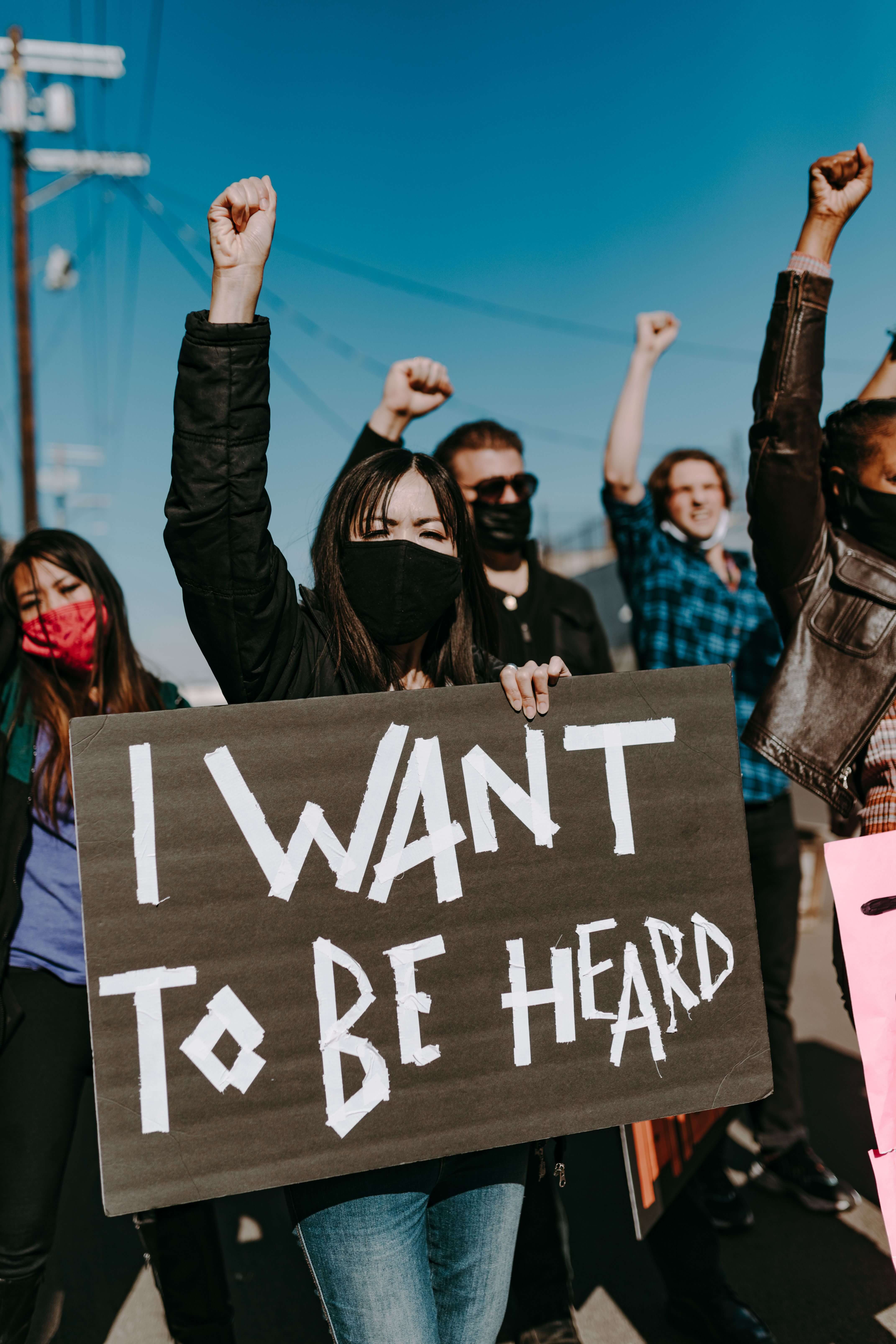
One in four Americans has a disability. Fewer than one in a hundred actors on screen authentically portray one. I have spent more than a decade with that gap in front of me, and I can tell you it isn't an accident. It's a pattern. The entertainment industry has been willing to reckon with its exclusion of nearly every marginalized group, and it has done real, measurable work on race and gender. Disability, the largest minority of all, kept getting left out of the conversation.
What changed it wasn't industry goodwill. It was advocacy. The progress Hollywood made on racial and gender representation came from organized, evidence-based, relentlessly persistent pressure that made exclusion too visible and too costly to ignore.
The disability community is now pulling the same levers, with the same data, the same willingness to court controversy, and the same coalitions. This is the story of how that works, and what I learned doing it.
Key Takeaways
- One in four Americans has a disability, yet fewer than one in a hundred actors on screen authentically portray one, a gap the Ruderman Family Foundation has documented for over a decade.
- Hollywood's progress on race and gender came from data, public pressure, and enforceable standards, the same tools disability advocates are now applying.
- Naming specific productions and studios, rather than making a general complaint, is what turned the gap from something the industry could dismiss into something it had to answer for.
- Being an outsider was a strategic advantage. I wasn't vulnerable to being blackballed, so that I could apply pressure that people inside the system couldn't risk.
- The work matured from public criticism into partnership: open letters, studio commitments, and a Seal of Authentic Representation to reward productions that get it right.
Why One in Four Americans Are Almost Invisible on Screen
The arithmetic is stark, and it has been consistent for years. A quarter of Americans live with some form of disability. Yet, the industry has historically treated disabled people as subjects to be portrayed rather than a community to be employed.
When I first turned the foundation's attention to this, I found that the rare roles written for disabled characters were almost always given to non-disabled actors, and that those performances attracted exactly the awards consideration that disabled performers were denied.
Think of the lauded portrayals: Daniel Day-Lewis in My Left Foot, Dustin Hoffman in Rain Man, Tom Hanks in Forrest Gump. All affecting. All played by able-bodied actors. There was no parallel tradition of disabled actors in leading dramatic roles of any kind.
I have always believed that culture is as powerful as legislation in determining the direction of a society, sometimes more so. Entertainment shapes the hearts and minds of the people who consume it. It shifts perceptions, and perceptions shift behavior. How disabled people are seen on screen has direct consequences for how they're treated in employment, healthcare, education, and public life. Changing the picture was a prerequisite for changing the reality.
How We Made the Gap Impossible to Ignore
The foundation began the way I begin most things: by researching the issue deeply and publishing what we found. We produced rigorous reports on disability representation in major productions. The point was specificity. A general complaint about Hollywood is easy to wave away. A report with specific numbers, specific studios, and specific productions is not.
Our research found that 95% of disabled characters on television were played by non-disabled actors. A later study of top scripted series from 2016 to 2023 found that only 3.9% of characters had disabilities, and about 80% of those were still cast inauthentically. Those numbers traveled because they were defensible and they were specific. They gave advocates something concrete to point at.
But data on its own doesn't move an industry. You have to use it. I went to the media with our findings and began criticizing big-box-office films for casting able-bodied actors in disabled roles. Eventually, I went after celebrities directly. The response wasn't always pretty. I knew it wouldn't be. But it generated the public pressure that voluntary industry conversations had never produced in all the years they'd been happening politely behind closed doors.
Courting Controversy: The Campaigns That Moved the Industry
I made a deliberate choice to be confrontational. I named productions, challenged specific people, and circulated open letters rather than working quietly through industry channels. Here's a lesson I learned the hard way and then leaned into: being an outsider was an advantage.
Naming Names
Actors and directors with careers inside the system can't risk speaking out. They have everything to lose by criticizing the studios that employ them. I had none of those vulnerabilities. I wasn't going to be blackballed because I was never on the inside to begin with.
So I could say the things that needed saying and apply the pressure that people with industry careers simply couldn't afford to apply. Naming a specific production for a specific casting decision forced studios into the position of publicly defending choices the data made hard to defend.
That kind of named accountability is something general diversity advocacy rarely achieves.
The Open Letter and the Studio Commitments
I circulated an open letter calling on studio and network executives to create more opportunities for people with disabilities and make more inclusive casting decisions.
The likes of George Clooney, Joaquin Phoenix, Glenn Close, and the Farrelly brothers signed it. Alongside it, I approached studios directly and asked them to commit, in writing, to making auditions accessible to actors with disabilities. Those initiatives generated something of a breakthrough.
The industry started engaging formally rather than defensively. Major entertainment companies, including ViacomCBS, NBCUniversal, Paramount Pictures, and Sony, came to affirm disability as part of Hollywood's definition of diversity.
Becoming an Ally
Here's the part I'm proudest of, and the part that's easiest to get wrong. Once studios and producers started making real progress, I changed course. I stopped being only a critic and became an ally, working with the very people and organizations I had been challenging.
Because I'd put them in the media hot seat, they were more than willing to work with me to improve their approach. I created a Seal of Authentic Representation to recognize and reward productions that cast disabled actors authentically, which generated its own media attention and built a positive incentive alongside the pressure.
The lesson: pressure opens the door, but partnership is what walks through it.
The Academy's Inclusion Standards and the Gap Within Them
In 2020, the Academy of Motion Picture Arts and Sciences announced new representation and inclusion standards for Best Picture eligibility, effective for films released from 2024. It's the most significant formal inclusion mandate in Hollywood's history, and it's a direct product of years of advocacy, including the disability campaigns I've described. The standards cover four areas: on-screen representation, creative leadership and crew diversity, industry access and opportunity, and audience development.
We have made a $ 1 million grant to the Academy to support the inclusion of people with disabilities both in front of and behind the camera, because the standards are a beginning, not an endpoint. And I'll be honest about my concern with them: disability is less explicitly and specifically defined within the standards than race and gender.
That creates a real risk that a production can technically meet the requirements without meaningfully addressing disability inclusion at all. What the disability community is pushing for is straightforward. We want disability named and defined as a protected characteristic with the same specificity and enforceability that race and gender now receive. Not an afterthought. A standard.
What Authentic Representation Actually Requires
This was never just about swapping non-disabled actors out of existing roles. It's about changing how disability is conceived, written, directed, and produced.
That means disabled actors and creatives in positions where they shape how disability is portrayed, not just cast in roles written entirely from outside the experience. It means narratives that reflect the actual complexity of disabled lives, instead of the narrow band of tragic, inspirational, and cure-oriented stories that have dominated. It means representing the diversity within disability, including how it intersects with race, gender, age, sexuality, and class.
And it means the unglamorous infrastructure: accessible sets, accessible equipment, and scheduling that makes it genuinely possible for disabled people to work in every production role, rather than being excluded before the casting conversation even starts.
The Bigger Reckoning, as Model and Contrast
Hollywood's progress on race and gender is both a model for disability advocacy and a pointed contrast to how far behind disability still is. #OscarsSoWhite, #MeToo, and Time's Up each proved the same thing: organized public pressure, combined with specific data and institutional accountability, produces change that goodwill and voluntary commitments never do.
The New York Times called #OscarsSoWhite the hashtag that changed the Oscars. It changed far more than that. It paved the way for the movements that followed, and shifted how we see marginalized groups on screen.
The USC Annenberg Inclusion Initiative's annual data, the Academy's membership diversification, the accountability that came out of #MeToo, all of it followed the same logic I applied to disability. Make the gap specific and undeniable. Apply sustained pressure. Push for enforceable standards rather than aspirational goals. The tools work. They just haven't been pointed at disability with the same force for as long.
What Still Has to Change
The path forward is defined by the same requirements that produced progress everywhere else. Specific, enforceable standards. Industry-wide data that's published and audited rather than self-reported. And a pipeline of disabled creative talent that gets the mentorship and investment it needs to produce the directors, writers, showrunners, and producers who will change representation from the inside.
My own path, from outside critic to institutional ally, is a model for how this kind of advocacy matures. It starts as a pressure campaign and becomes a sustained partnership. The fight isn't finished. But the gap is no longer invisible, and that is the part that had to happen first.
If you want to understand the advocacy approach behind this work, it's the subject of my book, Find Your Fight, and the conversations on the All About Change podcast. You can read more about the foundation's mission and my story as well.
FAQs
How bad is disability representation in Hollywood?
Worse than most people realize. One in four Americans has a disability, but our research found fewer than one in a hundred on-screen characters authentically portray one. A study of top scripted series from 2016 to 2023 found only 3.9% of characters had disabilities, and roughly 80% of those were cast inauthentically.
Why does the Ruderman Family Foundation focus on Hollywood?
Because culture is as powerful as legislation in shaping how society treats people. How disabled people are seen on screen has direct consequences for how they're treated in employment, healthcare, education, and public life. Changing the picture is a prerequisite for changing the reality.
What has the foundation actually achieved in Hollywood?
We published the research that made the gap undeniable, circulated an open letter signed by major figures including George Clooney, Joaquin Phoenix, and Glenn Close, secured written commitments from studios to make auditions accessible, and created a Seal of Authentic Representation to reward authentic casting. Major companies, including ViacomCBS, NBCUniversal, Paramount, and Sony, have affirmed disability as part of Hollywood's definition of diversity.
How do the Academy's inclusion standards address disability?
The 2020 standards, effective for films released from 2024, set representation requirements across four areas for Best Picture eligibility. Our concern is that disability is less explicitly defined within them than race and gender, which means productions can meet the requirements without meaningfully addressing disability inclusion. We're pushing for disability to be named and defined with the same specificity and enforceability.
What is authentic disability representation, and why does it matter?
It means disabled characters played by disabled actors, written and shaped by people with direct experience of disability, in stories that reflect the full complexity of disabled lives. It matters because representation built entirely from the outside, however well-intentioned, reproduces the same narrow assumptions; it should be challenging.
Table of Contents
Explore the latest news from our team.
.jpg)
Data-Driven Advocacy: How Research Strengthens Activist Campaigns
How data-driven advocacy turns research into accountability, giving your campaign the specific, credible evidence base that moral argument alone cannot produce.
Evidence-Based Activism: Why Facts Are Your Most Powerful Tool
How evidence-based activism builds the credibility and accountability that sustains advocacy through the long work of systemic change. Facts are your most powerful tool.
.jpg)
How to Choose a Cause Worth Fighting For
The hardest part of activism isn't the work. It's choosing the fight that's actually yours. Here's how to find it.