
How to Create Social Change: A Step-by-Step Guide for Emerging Activists
A practical, step-by-step guide to creating social change: coalition building, power analysis, sustained pressure, and the discipline that lasts.
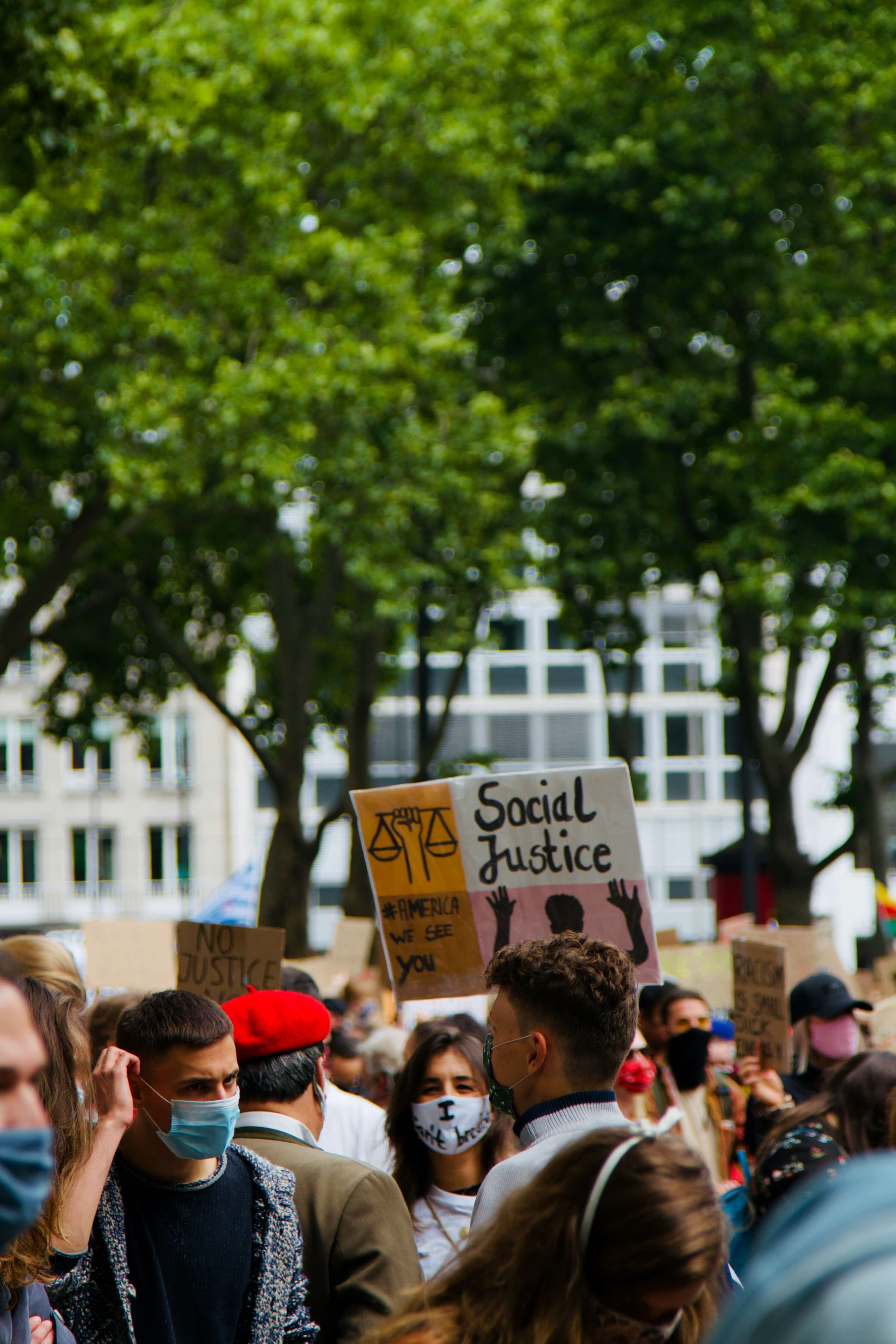
Social change is not a mysterious process that happens to a community when the stars align. It's a learnable discipline with identifiable steps, proven strategies, and a body of knowledge built over generations of advocates who succeeded and failed in ways that tell us what works. I've spent the better part of my life inside that discipline, and I can tell you it rewards method as much as passion.
This guide is for the emerging activist who already knows what they want to change and needs a practical framework for how to start, how to build momentum, and how to sustain the kind of long-term effort that produces systemic rather than superficial change. I'll walk you through the steps in the order I'd actually use them, with examples from my own work so you can see what each one looks like in practice.
Key Takeaways
- Social change comes from a combination of organized constituent power, strategic policy advocacy, cultural narrative work, and long-term commitment, not from any single tactic.
- The first and most important step is defining the problem and the change you want with enough specificity to make progress measurable.
- A coalition broader than your core affected community is a strategic necessity because decision-makers respond to broad constituent will, not to the intensity of a narrow group.
- Power analysis, understanding who decides, what motivates them, and what would move them, is the analytical foundation of any real strategy.
- Sustained change requires organizational infrastructure built during the slow periods, not just during peaks of visibility.
Why Social Change Is a Discipline, Not a Moment
One of the most damaging misconceptions about social change is that it happens through breakthroughs: a powerful speech, a viral campaign, a dramatic action. The historical record says otherwise. Every significant change in American history that seemed sudden was preceded by years, often decades, of organizing, coalition-building, and narrative work that created the conditions for a single moment to tip.
That has a practical implication for you. If change were about lightning-strike moments, there would be nothing to learn. But because it's a discipline, the skills, organizational habits, and strategic frameworks that produce it are learnable and transferable across any issue you might care about. Investing in those capabilities is one of the highest-return things an emerging activist can do.
What Social Change Actually Requires
Before the steps, an honest word about what this work demands, because the activists who arrive with unrealistic expectations are the ones who burn out before their campaign reaches its potential. The people I've watched go the distance were rarely the ones with the most resources or the biggest platforms. They were the ones who calibrated their expectations honestly at the start.
Three things get underestimated most:
- The first is time, measured in years and sometimes decades, not campaign cycles.
- The second is organizational durability, the ability to hold focus and keep people engaged through the slow, discouraging middle of a campaign.
- The third is a tolerance for incremental progress, the ability to build on partial wins instead of treating anything short of total victory as failure.
John Lewis spent sixty years working inch by inch toward equality and never treated a setback as a reason to stop. His consistency across decades produced more than any single moment of his extraordinary life.
The Eight Steps to Creating Social Change
These steps are presented in sequence, but in practice, the work is cyclical rather than linear. Each step informs the others, and you'll revisit all of them as you learn. Treat this as a recurring discipline, not a one-time checklist.
Step 1: Define the Problem and the Change You Are Seeking
Start by defining the problem with enough specificity that the change you want is concrete, measurable, and clearly different from the current state. We learned this early in our disability representation work.
Starting with a specific, documentable fact, that fewer than one in a hundred actors on screen authentically portrayed a disability, despite one in four Americans living with one, gave the advocacy a precision that general complaints about Hollywood diversity never had. A vague goal produces a vague strategy and a vague outcome. Get specific first.
Step 2: Understand the Power Landscape
Next, map the power. Who actually makes the decisions that produce or perpetuate the problem? What motivates them? What would create enough pressure for them to act differently, and what's preventing that pressure from being sufficient right now?
The insight that shaped our Hollywood strategy was simple: studios respond to reputational pressure and risk calculation far more than to moral argument. So the strategy had to shift that calculation, not just make the moral case louder.
Step 3: Build Your Base and Your Coalition
Organized constituent power gets built two ways at once: deepening the engagement of the community most affected, and broadening the coalition of people and organizations who share an interest in the change. When an open letter signed by figures like George Clooney and Joaquin Phoenix was sent to studio executives, it carried a credibility that our advocacy alone could not.
Not because those actors had more moral authority than the disability community, but because their involvement signaled to decision-makers that resistance was becoming reputationally costly.
Step 4: Develop Your Strategy and Your Ask
With a defined problem, a power analysis, and a coalition forming, develop the specific ask that connects your power to the people who can deliver change. Being clear about what's wrong without being equally clear about what you want instead gives a decision-maker no concrete obligation and no standard to be measured against.
We didn't ask Hollywood to "do better." We asked studios to commit in writing to accessible auditions, to affirm disability as part of their definition of diversity, and to create measurable accountability for casting.
Step 5: Take Action and Generate Visibility
Strategy has to become action. The most effective actions combine visible public demonstrations of constituent will with direct engagement of decision-makers and sustained communications work.
One caution from years of media advocacy: a single news moment, however powerful, produces almost no lasting change without the infrastructure to follow it up, sustain the story, and convert attention into organized pressure. Visibility is the start of the work, not the proof of it.
Step 6: Sustain the Pressure
The step that most separates success from a brief flare of visibility is the capacity to sustain organized pressure over the months and years that real change requires. This is where most campaigns underinvest, and where most collapse, not because the cause lost urgency, but because the infrastructure to carry it through the slow periods was never built. I'll come back to this because it's the hardest part.
Step 7: Measure Progress and Adapt
Creating change means continually assessing whether your strategy is working and being genuinely willing to change course when it isn't. Our shift in Hollywood from public critic to active ally, choosing to work with studios that had made commitments rather than keep pressuring them from outside, was itself an adaptation. The evidence told us the pressure phase had produced what it could, and that a different approach would now deepen the gains.
Step 8: Consolidate Gains and Build for the Long Term
When you achieve a goal, the work doesn't end. It enters a new phase: consolidating the win, preventing rollback, and building toward the next goal. The disability rights movement's experience with the Americans with Disabilities Act is the lesson here. Its passage in 1990, which activists secured only after dramatic direct action like the Capitol Crawl, was a landmark that required decades of advocacy before it, and has required equally sustained work to defend and extend since. The most effective organizations understood the ADA not as a finish line but as a foundation.
Common Mistakes Emerging Activists Make
A few predictable errors that consume time and energy, and how to avoid them.
Mistaking Urgency for Strategy
The urgency of a problem motivates action, but it's not a substitute for strategic thinking. Campaigns that launch into visible action before completing the power analysis, coalition building, and ask development consistently generate a lot of activity without progress. Slow down enough to get the foundation right.
Confusing Online Visibility With Political Power
Social media reach, petition signatures, and viral moments are forms of visibility, not forms of power. Decision-makers know that online activity rarely translates into organized offline action without the infrastructure to make it possible. Use digital tools to recruit broadly, then invest in the organizing that turns reach into real constituent relationships.
Neglecting Organizational Infrastructure
Most emerging efforts overinvest in external-facing work, communications, actions, and media, and underinvest in the internal infrastructure that sustains them: leadership development, member retention, financial stability, and and clear decision-making. The unglamorous internal work is what lets the visible work continue.
How the Ruderman Family Foundation Creates Social Change
Our foundation's approach to disability inclusion applies this framework across several fronts at once. Policy advocacy that engages legislators on disability rights enforcement and expansion. Media representation work that challenges Hollywood's exclusion of disabled people from creative roles. Employment inclusion works with employers on hiring and advancement. Mental health advocacy that connects disability rights to the wider conversation about mental health and dignity.
Each front is the same framework applied to a different problem: a defined problem, a power analysis, a coalition of relevant stakeholders, specific asks, sustained pressure, and ongoing measurement and adaptation. The issue changes. The discipline doesn't.
Final Thoughts
Creating social change is a learnable discipline. The advocates and organizations that produce the most durable change are the ones that pair passion and moral clarity with strategic sophistication, organizational durability, and a long-horizon commitment, the patience to change systems rather than simply protest them.
The eight steps here aren't a one-time checklist. They're an ongoing cycle of organizing, action, assessment, and adaptation that holds across issues, contexts, and eras. If you want to see this discipline applied over the long haul, you can read more about the foundation's mission and my story, explore more on effective activism and inclusion, and hear it through the lives of people doing the work on the All About Change podcast.
FAQs
What is social change, and how is it created?
Social change is a durable shift in policy, institutional practice, or cultural understanding. It's created through organized constituent power, strategic advocacy, narrative work, and long-term organizational commitment, applied together over time, rather than through any single campaign or moment.
What is the most effective way to create social change?
There's no single tactic. The most effective approach combines a specifically defined problem, a clear power analysis, a broad coalition, a concrete ask, sustained pressure, and a willingness to adapt based on evidence. Method and persistence matter more than the size of your platform.
How long does it take to create social change?
Longer than most people expect, typically years and often decades for systemic change. Institutions are built to resist rapid change, and the cultural shift that makes policy change durable usually precedes the policy itself. Plan for the long haul from the beginning.
What is a power analysis, and why does it matter?
A power analysis identifies who actually has the authority to deliver the change you want, what motivates them, and what would create enough pressure for them to act. It matters because advocacy aimed at the wrong target, or built on a moral argument when the decision-maker responds to risk, wastes energy that a clear analysis would have directed effectively.
How do I sustain momentum in a social change campaign?
Build organizational infrastructure early: distributed leadership so the work doesn't depend on a few people, systems to retain and develop members, and practices that celebrate incremental progress. Momentum through the slow middle of a campaign comes from structure, not from willpower alone.
Table of Contents
Explore the latest news from our team.
.jpg)
Data-Driven Advocacy: How Research Strengthens Activist Campaigns
How data-driven advocacy turns research into accountability, giving your campaign the specific, credible evidence base that moral argument alone cannot produce.

Evidence-Based Activism: Why Facts Are Your Most Powerful Tool
How evidence-based activism builds the credibility and accountability that sustains advocacy through the long work of systemic change. Facts are your most powerful tool.
.jpg)
How to Choose a Cause Worth Fighting For
The hardest part of activism isn't the work. It's choosing the fight that's actually yours. Here's how to find it.