
Why Some Movements Succeed: The Keys to Effective Activism
What separates movements that win from those that fade: theory of change, strategic discipline, and the resilience to outlast the slow periods.
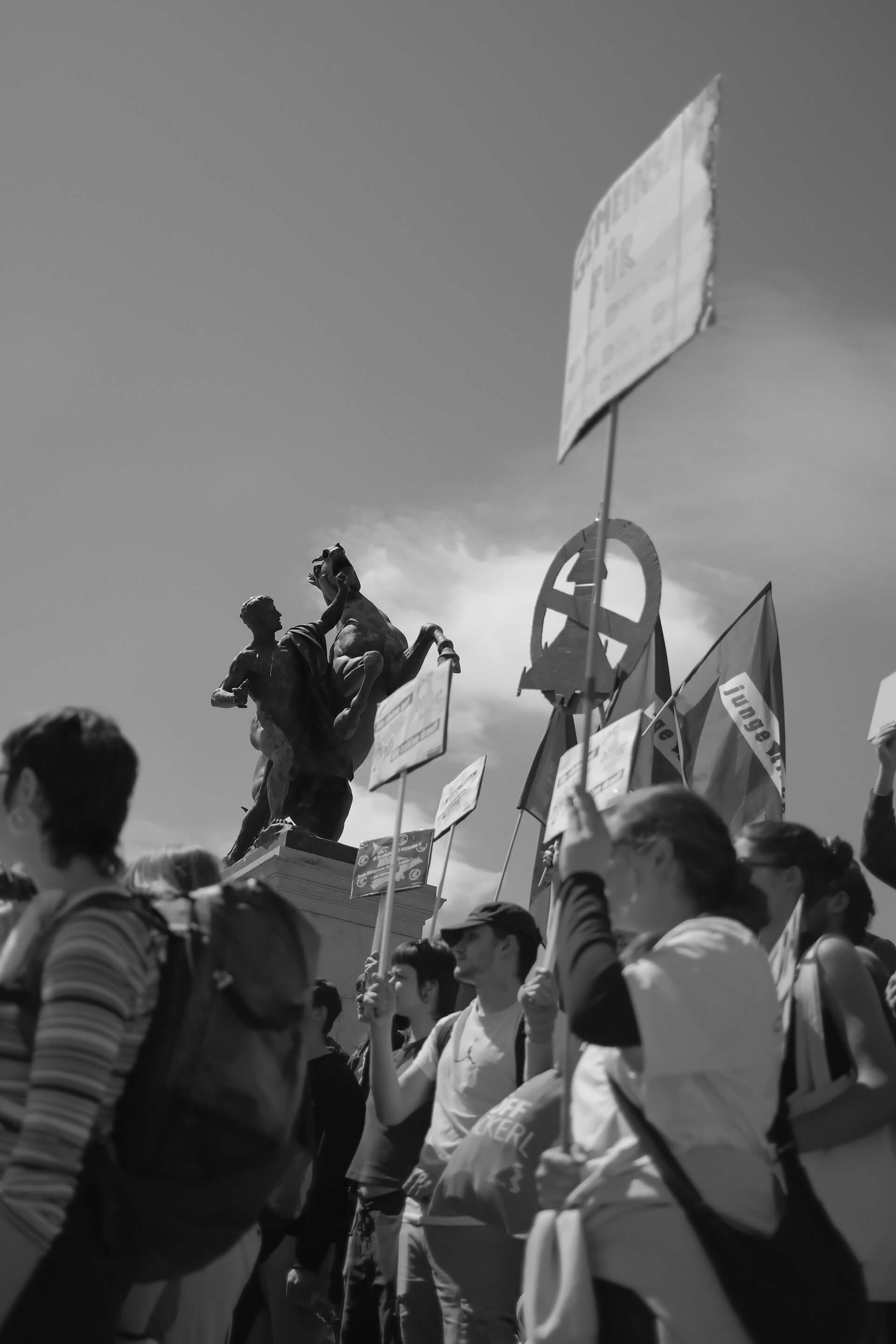
The history of social change is full of movements that were passionate, committed, and morally right, and still failed to produce the change they sought. I've watched it happen. I've been close to causes with everything going for them, good people, real urgency, a clear moral case, that nonetheless ran out of road. So the question that interests me most isn't which causes deserve to win. It's why some movements actually do, and others don't.
The answer isn't simply that the winning movements had better people or more resources. In a lot of cases, the movements that failed had those things too. What separated them was something more learnable: strategic clarity, organizational durability, and cultural sophistication, combined in ways the unsuccessful efforts never managed. None of that is the exclusive property of historically exceptional leaders. It can be understood and built.
Key Takeaways
- Effective activism pairs a clear theory of change, a specific account of how your actions will produce the outcome you want, with the organizational infrastructure to execute it consistently over time.
- Movements that win on policy demonstrate a constituency whose political will decision-makers can't ignore. Building that constituency matters as much as making the moral case.
- Strategic discipline, holding focus on specific achievable goals instead of diffusing effort across every dimension of a problem, is one of the most consistent markers of effective advocacy.
- Power is built through relationships more than messaging. The quality of the human connections inside a movement determines its staying power.
- Durable movements invest in distributed leadership, not charismatic individuals whose departure can collapse the whole effort.
What a Theory of Change Actually Is
A theory of change is a specific account of how the actions you're taking will produce the outcome you're seeking. The absence of one is among the most reliable predictors of ineffective advocacy, no matter how good the people or how urgent the cause.
A real theory of change requires four things:
- A concrete description of the outcome, defined clearly enough that you'd know whether you achieved it
- An account of who actually has the authority to deliver that outcome and what would move them
- An analysis of the barriers currently preventing it
- And a specific sequence of actions that addresses those barriers and creates the conditions under which the decision-maker acts.
A vision statement is not a theory of change. A list of values is not a theory of change. Both matter, but confusing them for a strategy is one of the most common and costly errors a movement can make.
The Difference Between Mobilization and Organization
Some of the most visible moments in the disability rights movement produced almost no lasting change, while some of the least visible organizational work produced the most durable results. That's not a paradox. It's the central lesson.
The Capitol Crawl of 1990, when disability activists left their wheelchairs and dragged themselves up the steps of the US Capitol to demand passage of the Americans with Disabilities Act, is remembered as a spontaneous burst of frustration. It wasn't. It was the product of years of organizational infrastructure, trained leaders, coordinated messaging, and relationships with legislators built through patient, unglamorous work long before anyone reached those steps. The image was dramatic. The organization behind it was the reason it mattered.
The pattern in less successful campaigns is the reverse. Enormous energy at launch, a peak of visibility, then slow dissipation, because the infrastructure to convert visibility into sustained pressure was never built. A march or a viral moment without an organization capable of following up, recruiting the people it activates, and maintaining pressure between peaks is powerful for a news cycle and irrelevant to the decision-maker who knows it won't be followed up on.
Strategic Discipline: The Hardest Thing in Effective Advocacy
Strategic discipline is the ability to hold focus on specific, achievable goals and resist the constant pull to respond to every development, address every dimension of a problem, and satisfy every constituency at once. It's one of the most differentiating qualities of effective movements and one of the hardest to maintain.
The forces that erode it are relentless. There's moral pressure to respond to urgent developments connected to, but distinct from, your core focus. There's pressure from coalition members and funders to expand scope to include their priorities. There's the communications pressure to seem relevant to every news cycle.
And there's internal pressure from members who experience your focus as a failure to take their concerns seriously. Holding the line against all of that, staying narrow enough to actually win something, is genuinely difficult, and it's where a lot of well-meaning movements come apart.
Building Power Through Relationships
My own transition from critic to ally in Hollywood is a case study in this. I was able to move from publicly challenging studios and celebrities on disability casting to working alongside them only because years of relationship-building had survived the public friction of the criticism stage. Those relationships produced the studio commitments, the Seal of Authentic Representation, and the ongoing industry engagement that research and media campaigns alone never could have.
What made that possible was a specific way of building relationships, treating the people on the other side as capable of change rather than as permanent enemies, speaking respectfully even when public pressure was at its most intense, and being genuinely willing to recognize and celebrate progress rather than treating every concession as insufficient.
Movements built on the quality of their relationships, internally and with their targets, are more durable than movements built on the energy of opposition. Opposition is exhausting to sustain over the years systemic change requires. Relationships sustain themselves.
Narrative Power: Changing What Feels Possible
I believe culture is as powerful as legislation in determining the direction of a society, and sometimes more so. That's not an abstract conviction. It's a conclusion I drew from watching the ADA establish legal protections for a quarter of the population without changing how disabled people were portrayed in the media that shapes how the other three-quarters understand disability.
Disability inclusion stayed politically marginal despite its legal foundation, partly because the cultural narrative, the stories told in film and television, kept framing disabled people as objects of inspiration or tragedy rather than as full human beings with full lives. That narrative made genuine inclusion feel like charity rather than justice. Compare it to the trajectory of LGBTQ rights.
The cultural conversation that made marriage equality politically possible was shaped at least as much by the slow accumulation of honest, humanizing representation in entertainment, going back to moments like Ellen DeGeneres's coming-out episode, as by any single policy campaign. Disability advocacy for authentic representation is working toward the same kind of shift: changing what feels possible before the law catches up.
Resilience: What Keeps Movements Going When Change Is Slow

The middle of a long campaign is where most of them collapse. Sustaining commitment through the stretches when nothing seems to move is harder than the launch and harder than the win. What has sustained my foundation's work through those stretches isn't a strategic principle. It's a personal one. The memory of why the cause matters and the specific people whose lives it affects.
I think of Chrissy Beckles and the Sato Project. When Hurricane Maria devastated Puerto Rico in 2017, she lost years of progress rescuing abandoned dogs, along with her home and nearly everything she owned. "We were set back over a decade in one day," she told me, "and we had to pick ourselves up and keep moving forward." She did, not because some organizational resilience framework told her to, but because the dogs on that beach were still there. As a boxer, she knows you can't win every round. The key is to keep going.
Organizational factors matter alongside that: distributed leadership, practices of celebration, and a theory of change that can absorb setbacks. But the deepest source of resilience in advocacy is a personal connection to the cause strong enough to outlast the inevitable frustrations. Strategy keeps a movement effective. Personal commitment keeps it alive.
Final Thoughts
Effective activism is not primarily a matter of passion, moral clarity, or the urgency of the cause. All of those are necessary, and none of them are sufficient. What distinguishes the movements that produce significant, durable change is the strategic, organizational, and cultural sophistication with which the advocacy is designed and executed: a clear theory of change, organizational depth, strategic discipline, relationship-based power, narrative sophistication, and genuine resilience. Every one of those is learnable and buildable.
My foundation's sustained work for disability inclusion is one attempt to apply all of it to one of the most consequential and most underserved causes of our time. If you want to go deeper, you can explore the foundation's mission and my story, read more on effective activism and inclusion, and hear these ideas through the lives of people putting them into practice on the All About Change podcast.
FAQs
What makes activism effective versus ineffective?
Effective activism combines a clear theory of change with the organizational infrastructure to execute it consistently over time. Ineffective activism usually has passion and moral clarity but lacks one or both of those: either no specific account of how its actions will produce the outcome, or no durable organization to sustain the effort once the initial energy fades.
What is a theory of change in activism?
It's a specific account of how the actions you're taking will produce the outcome you want. A complete one defines the outcome concretely, identifies who has the authority to deliver it and what would move them, analyzes the barriers in the way, and lays out a sequence of actions to overcome them. It is not a vision statement or a list of values, though those matter too.
What is the difference between mobilization and organizing?
Mobilization is activating people for a moment, a march, a viral campaign, a peak of visibility. Organizing is building durable infrastructure, trained leaders, relationships, and member retention that convert those moments into sustained pressure. Mobilization without organizing produces a news cycle. Organizing is what produces lasting change.
How do movements maintain strategic discipline over time?
By committing to specific, achievable goals and resisting the constant pressure to expand scope, respond to every development, and satisfy every constituency at once. It requires leadership willing to say no to worthy but distracting opportunities, and a shared understanding within the movement that focus is what makes winning possible.
What role does narrative play in effective activism?
A central one. Culture often shifts before law does, and the stories a society tells about a group shape what kind of policy feels possible. Changing the narrative, making a community's full humanity visible, can make inclusion feel like justice rather than charity, and create the conditions in which political change becomes achievable.
Table of Contents
Explore the latest news from our team.
.jpg)
Data-Driven Advocacy: How Research Strengthens Activist Campaigns
How data-driven advocacy turns research into accountability, giving your campaign the specific, credible evidence base that moral argument alone cannot produce.

Evidence-Based Activism: Why Facts Are Your Most Powerful Tool
How evidence-based activism builds the credibility and accountability that sustains advocacy through the long work of systemic change. Facts are your most powerful tool.
.jpg)
How to Choose a Cause Worth Fighting For
The hardest part of activism isn't the work. It's choosing the fight that's actually yours. Here's how to find it.